0% VAT available on qualifying domestic installs until 31 March 2027
office@nortonfacilities.co.uk · craig@nortonfacilities.co.uk

Real projects. Practical solutions.

Explore air conditioning installations, planned maintenance and responsive repairs completed by Norton Facilities across Leicester and the Midlands.

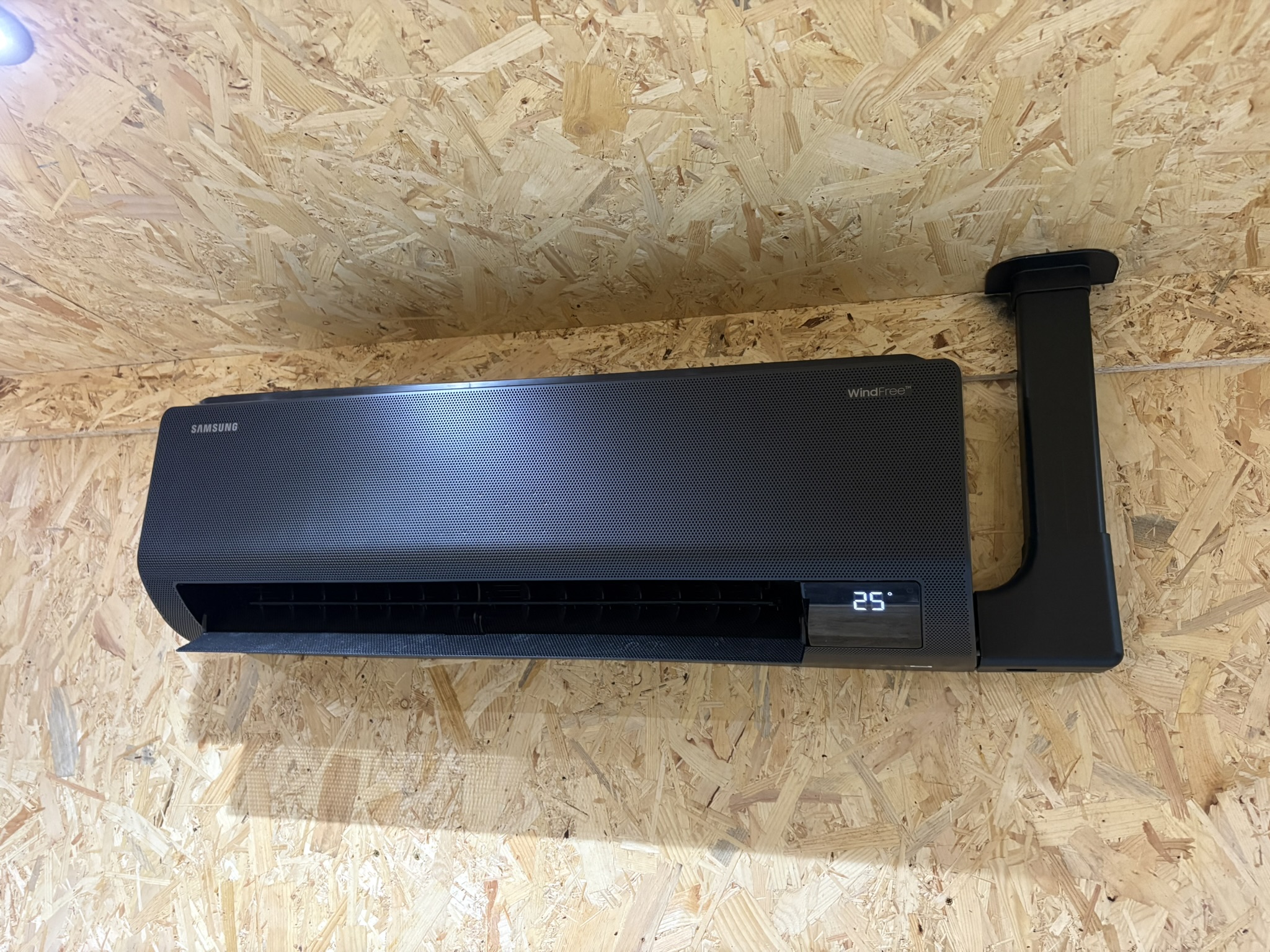
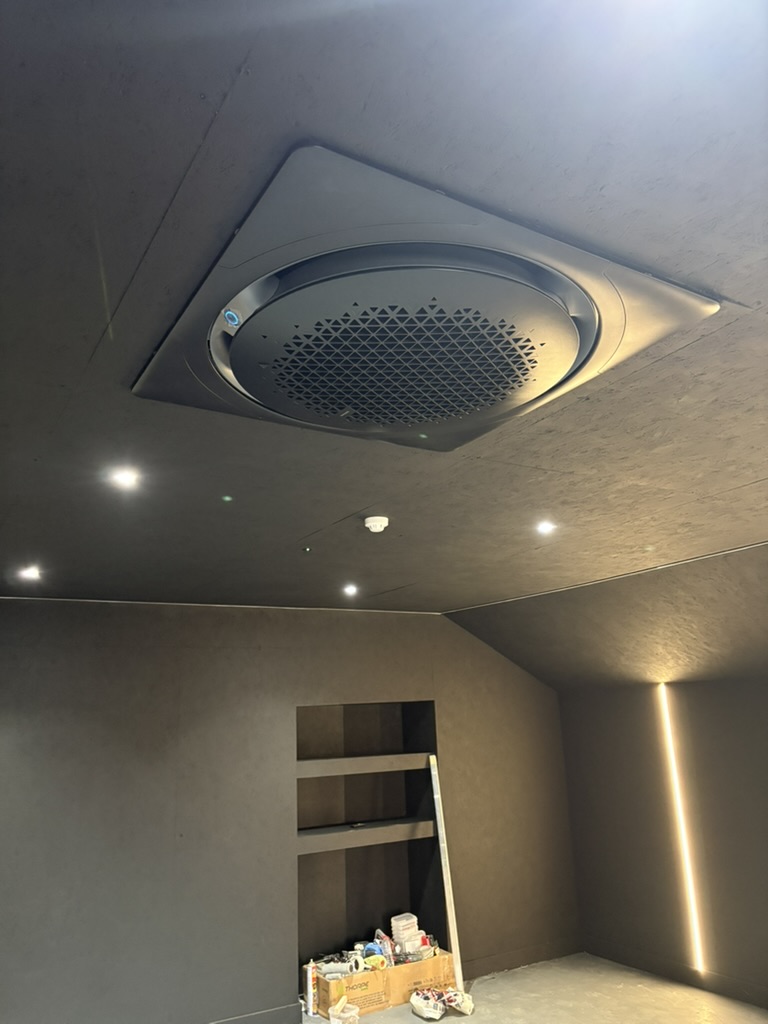
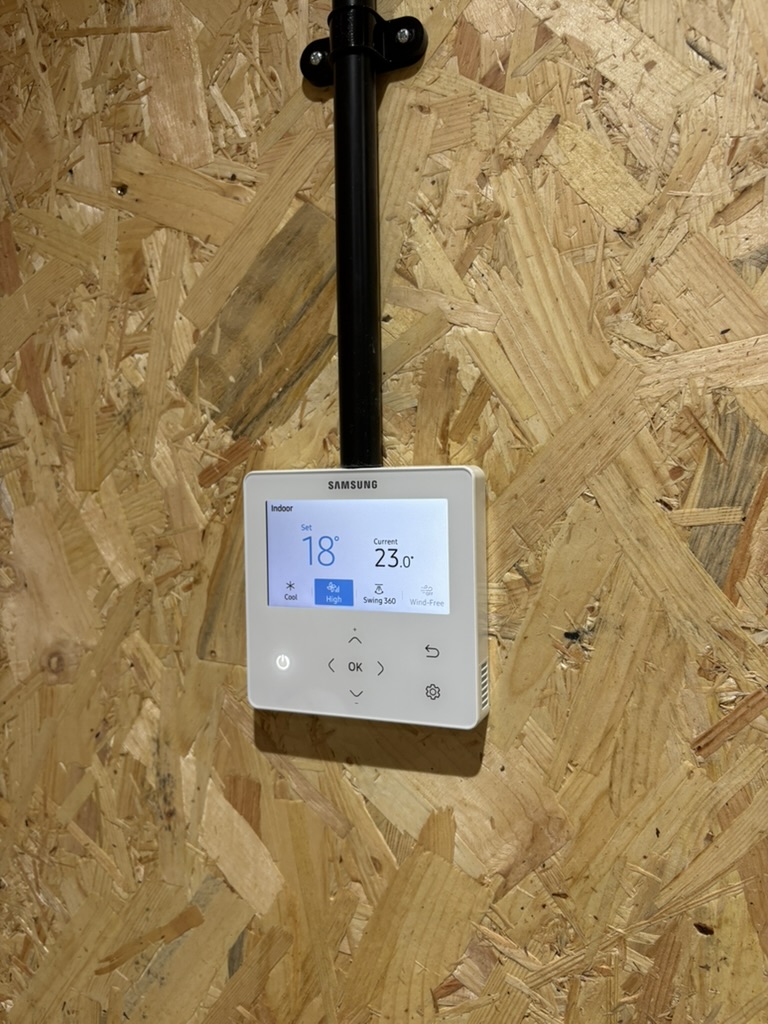
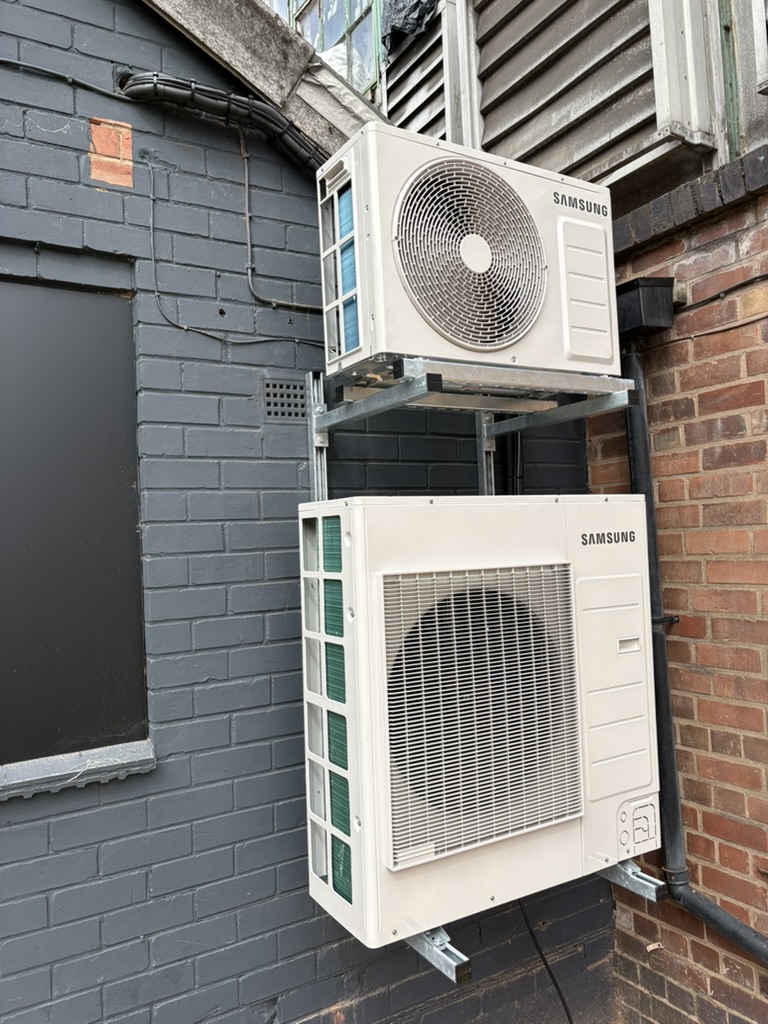
Air Conditioning Installations

Comfort designed around the building.

Correctly sized, carefully positioned systems installed with performance, appearance and long-term reliability in mind.

Air Conditioning Maintenance

What regular servicing prevents.

These are real examples of issues found during routine servicing. Dirt and contamination restrict airflow, reduce efficiency and can eventually cause leaks, poor performance or component failure. Planned maintenance finds and corrects these problems before they become expensive breakdowns.

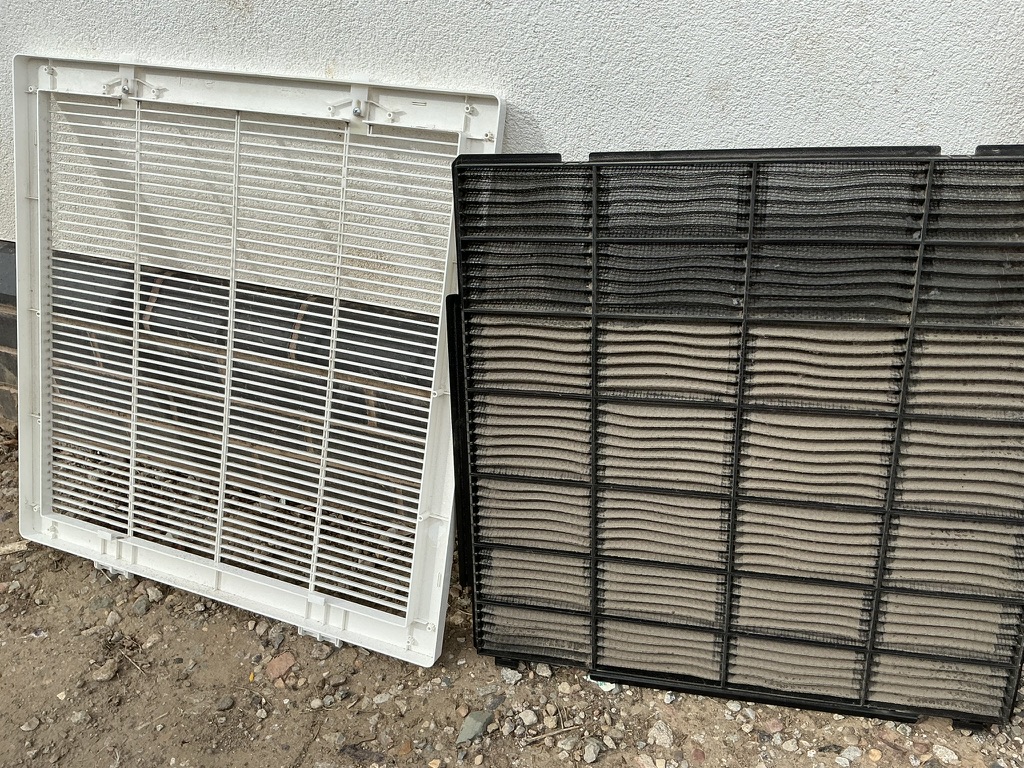
Heavily contaminated air conditioning filters removed for cleaning
01

Heavily contaminated filters

The issue
A thick layer of dust is restricting the air that can pass through the filters.
Typical causes
Normal airborne dust, busy premises, nearby building work and filters left too long between cleans.
Remedy
Remove and thoroughly clean suitable reusable filters—or replace disposable filters—then check airflow and condition.
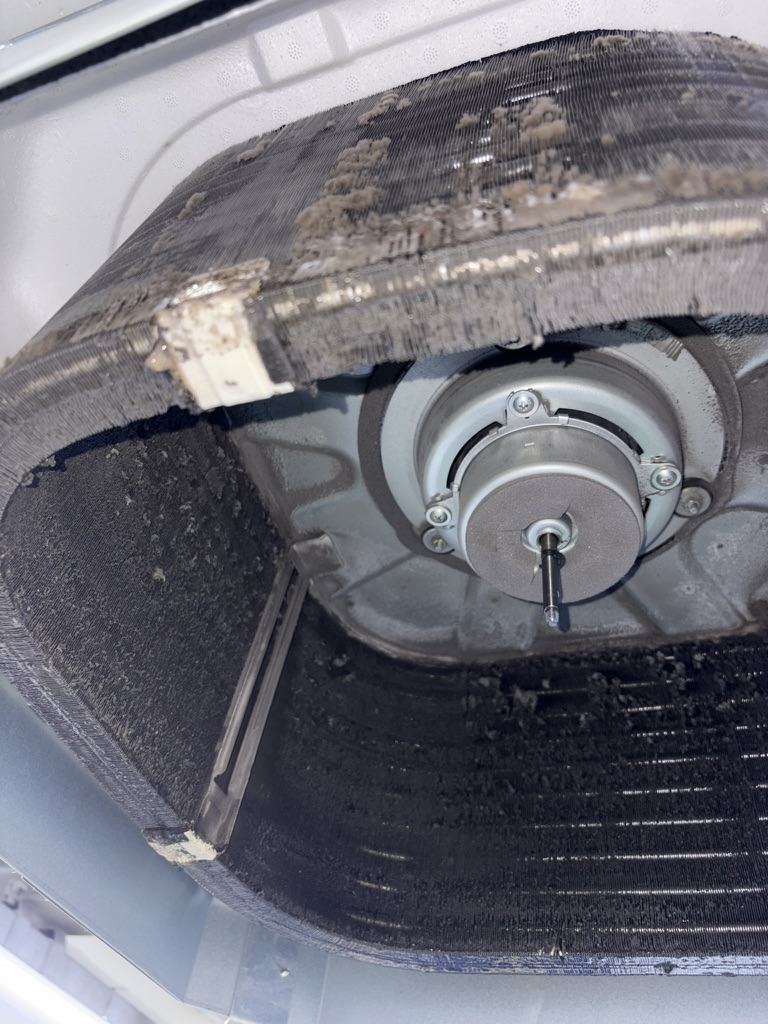
Air conditioning fan and coil heavily contaminated with dust
02

Contaminated fan and coil

The issue
Dust has built up across the indoor heat exchanger and fan assembly, reducing airflow and heat transfer.
Typical causes
Dirty or missing filters, long service intervals and dust bypassing the filtration system.
Remedy
Isolate the system, dismantle as required and safely clean the coil, fan assembly, casing and filters using appropriate products.
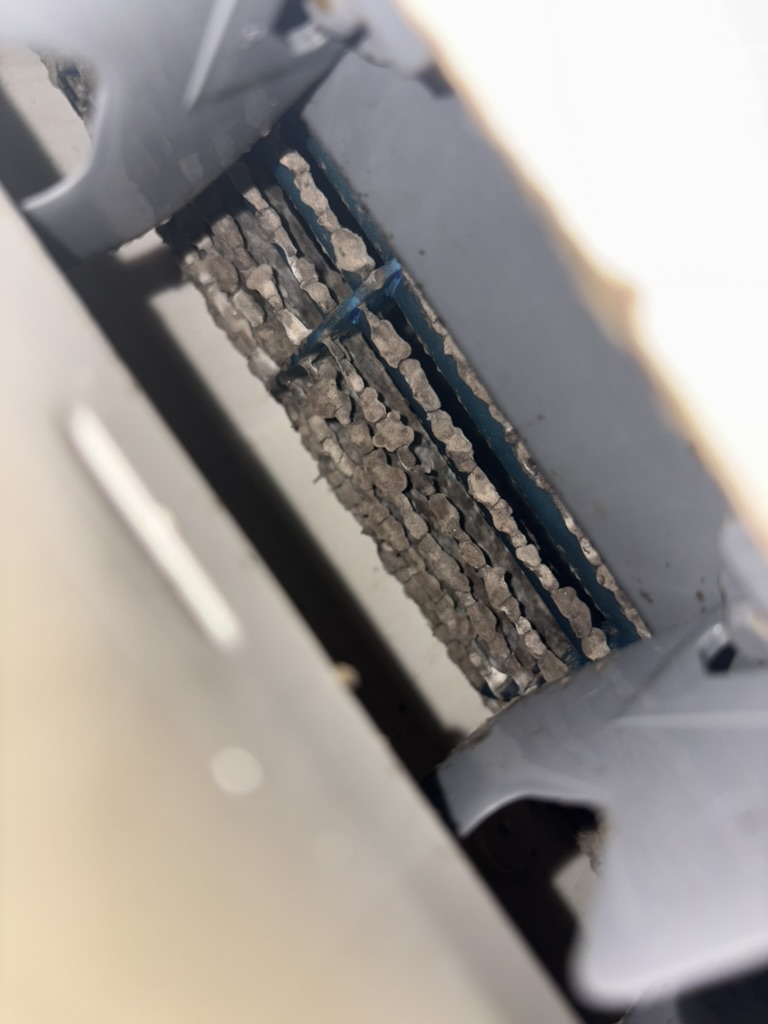
Close-up of an indoor air conditioning scroll fan with heavy bacterial build-up
03

Bacterial build-up on the indoor scroll fan

The issue
Heavy bacterial and biological contamination has built up across the fan blades. The fan can no longer cut and move the air correctly, resulting in poor airflow, low operating pressures and reduced system performance. Contaminated airflow can also create unpleasant odours and an unhygienic indoor environment.
Typical causes
High-humidity conditions, continual condensation, airborne dust and organic matter combining inside the indoor unit—especially when deep cleaning is overdue.
Remedy
Isolate and dismantle the unit as required, then thoroughly clean and disinfect the scroll fan, surrounding casing, coil and drain components. Reassemble and confirm airflow, temperatures and operating pressures.
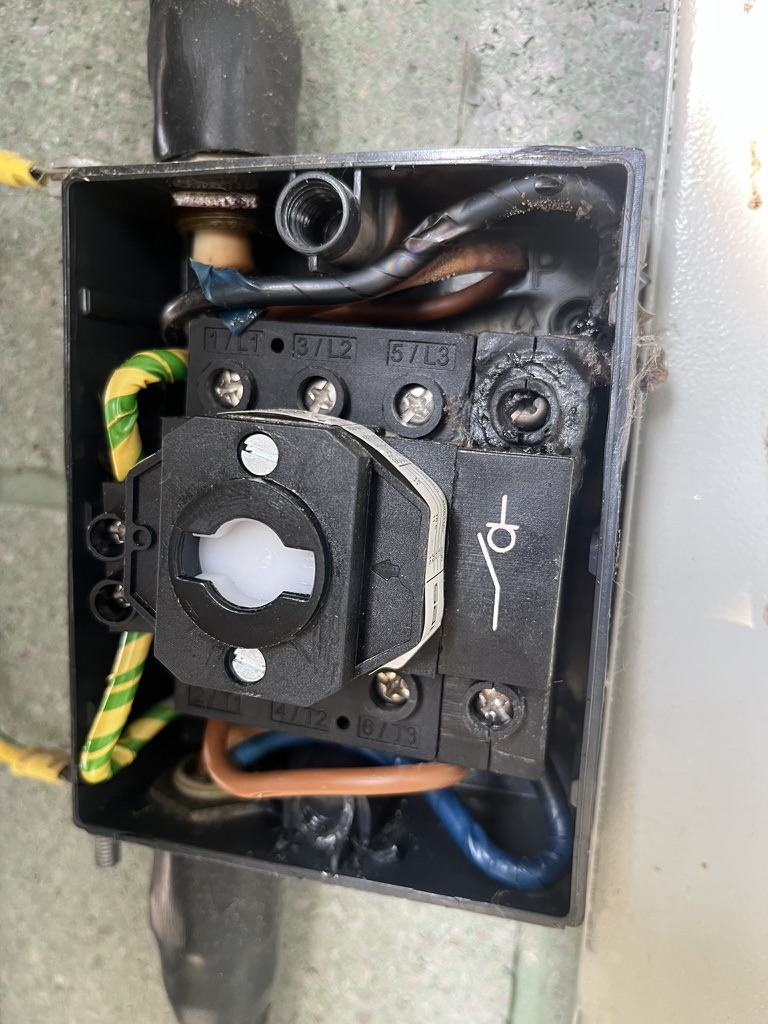
Burnt neutral terminal discovered inside an outdoor air conditioning unit rotary isolator
04

Burnt neutral in an outdoor rotary isolator

The issue
Severe heat damage was found at the neutral terminal inside the outdoor unit’s rotary isolator. The system was still operating, but the damaged connection presented a serious risk of sudden failure and further electrical damage.
Typical causes
A loose, poorly terminated or deteriorating connection can create high electrical resistance. Heat then builds at the terminal and progressively damages the isolator, cable and insulation.
Remedy
Safely isolate the supply, replace the damaged isolator and any heat-affected cable, remake and correctly tighten all terminations, then complete the appropriate electrical safety and operational checks before returning the system to service.
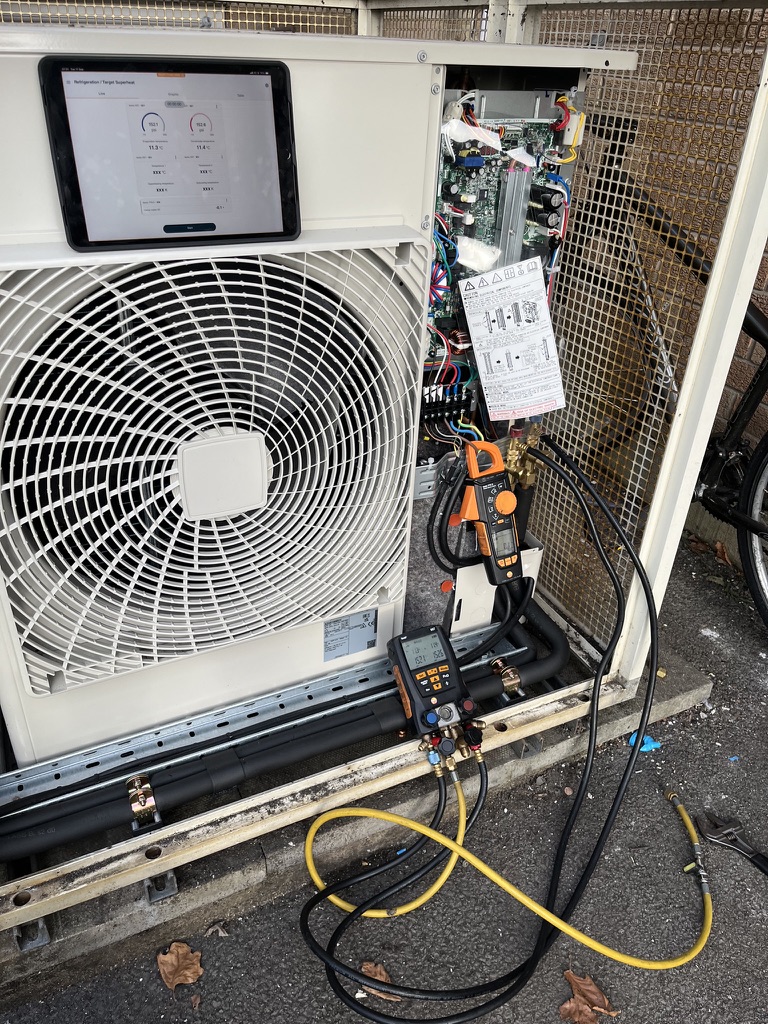
Air conditioning engineer using digital instruments to test refrigerant pressures, temperatures and electrical current
05

Performance testing—not guesswork

Cleaning is only part of a proper service. Norton Facilities uses the correct calibrated tools and manufacturer data to confirm that the system is operating safely and efficiently.

  • Digital refrigerant instruments to assess system pressures and operating conditions
  • Temperature probes to check air and pipe temperatures, superheat and subcooling where applicable
  • Clamp meter to measure electrical current and compare it with expected values
  • Manufacturer software and data to review live operation, fault history and system performance where supported

These readings are considered together—along with airflow, cleanliness and visual checks—to identify problems such as restricted airflow, incorrect refrigerant charge, failing components or abnormal electrical load.

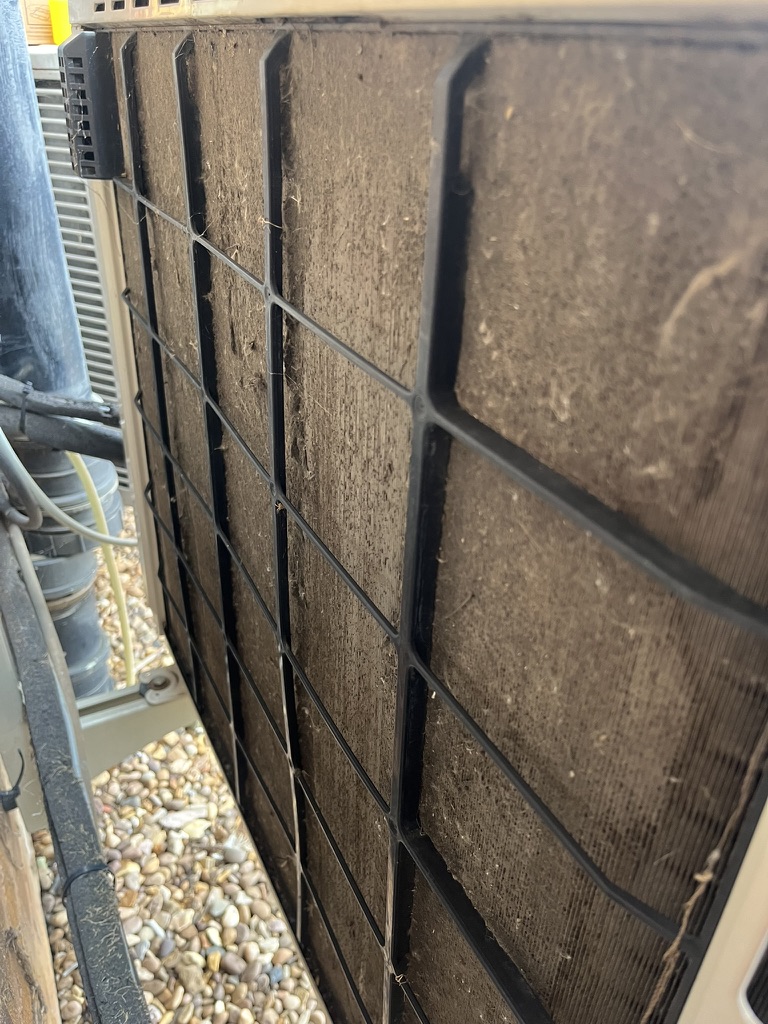
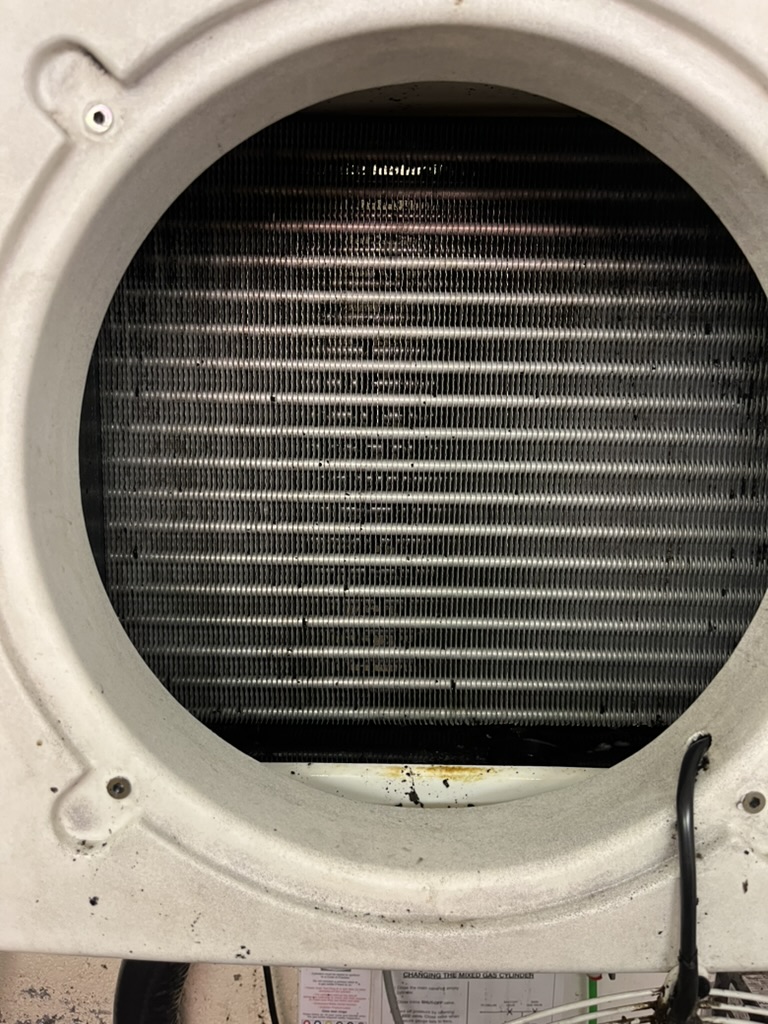
Outdoor air conditioning heat exchanger blocked with dirt
06

Restricted outdoor coil

The issue
Dirt across the outdoor heat exchanger restricts airflow and makes it harder for the system to reject or absorb heat.
Typical causes
Traffic pollution, dust, leaves, airborne debris and nearby vegetation or industrial activity.
Remedy
Clean the coil with suitable methods and products, straighten damaged fins where practical and verify clear airflow around the unit.
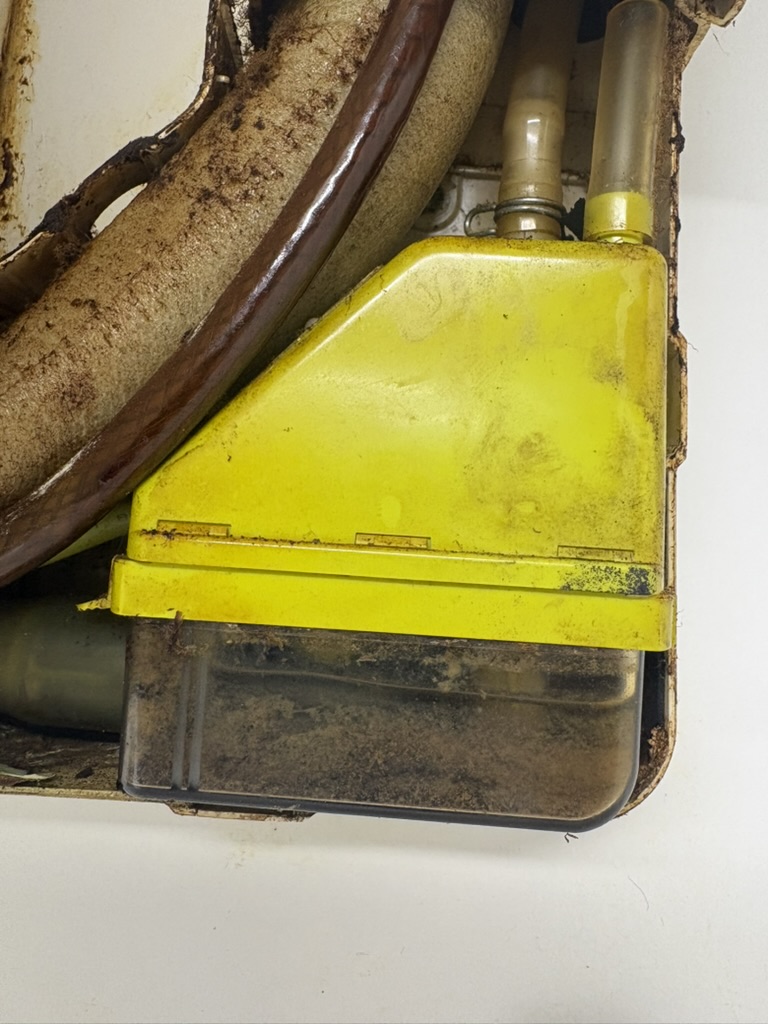
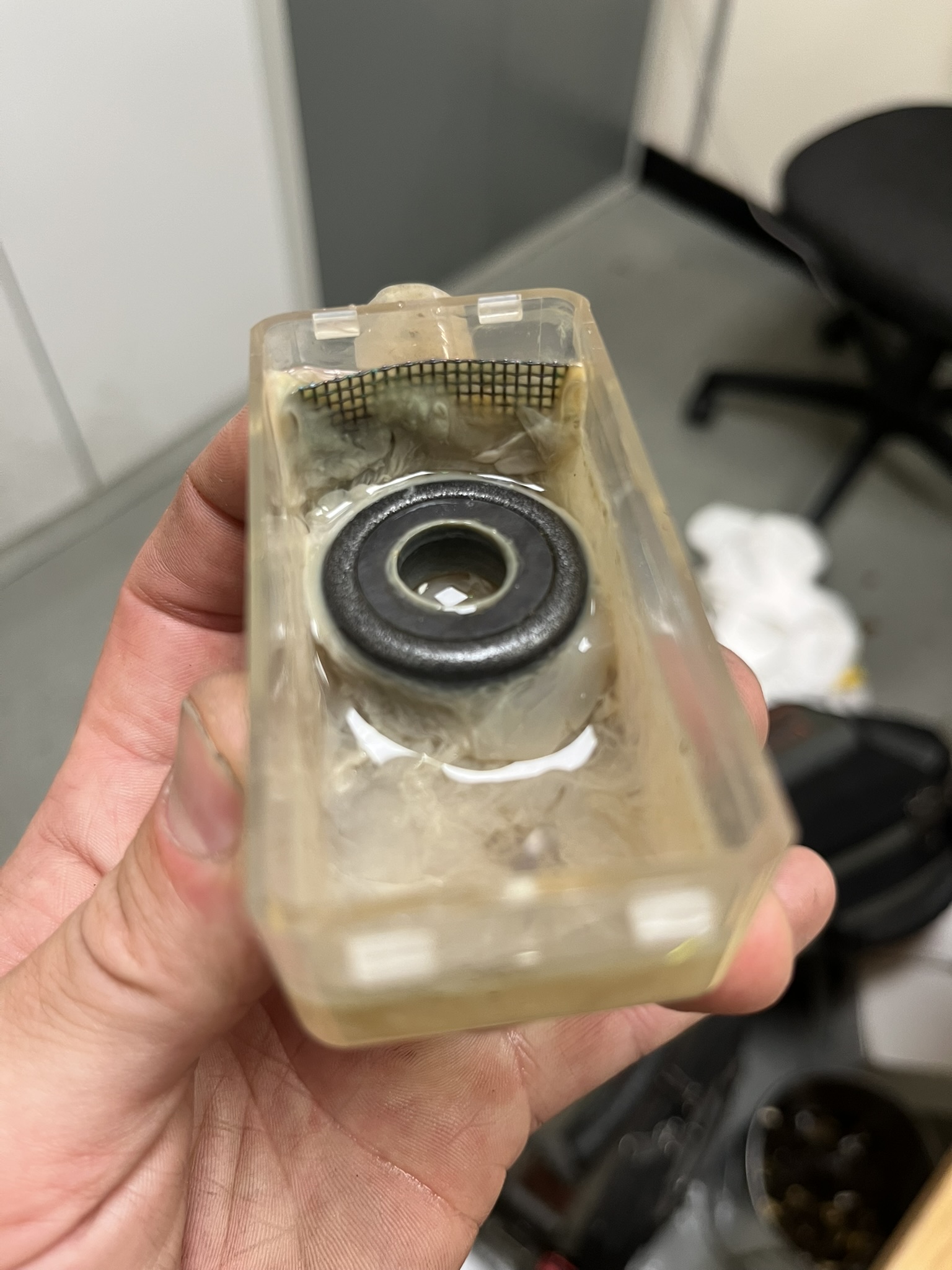
Air conditioning condensate pump installed with dirt and sludge in its reservoirClose-up of biological contamination and sludge inside an air conditioning condensate pump reservoir
07

Contaminated condensate pump

The issue
Sludge and biological contamination are collecting in the pump reservoir and drainage system. The close-up shows how this build-up can surround the pump components and restrict reliable operation.
Typical causes
Moisture, dust and microbial growth naturally combining over time inside the condensate system.
Remedy
Clean and disinfect the reservoir, pump and drain line, then test pump operation, float switches and safe discharge to prevent water leaks.
The result

Cleaner equipment. Better airflow. Lower risk.

Regular maintenance supports efficient operation, improves comfort, protects components and gives developing faults a chance to be corrected before they interrupt the customer’s business.

Refrigeration Maintenance

Protecting stock and critical temperatures.

Refrigeration problems often develop gradually and remain hidden until cabinet temperatures rise or equipment fails. These real maintenance findings show how planned inspection, cleaning and testing protect stock, efficiency and reliability.

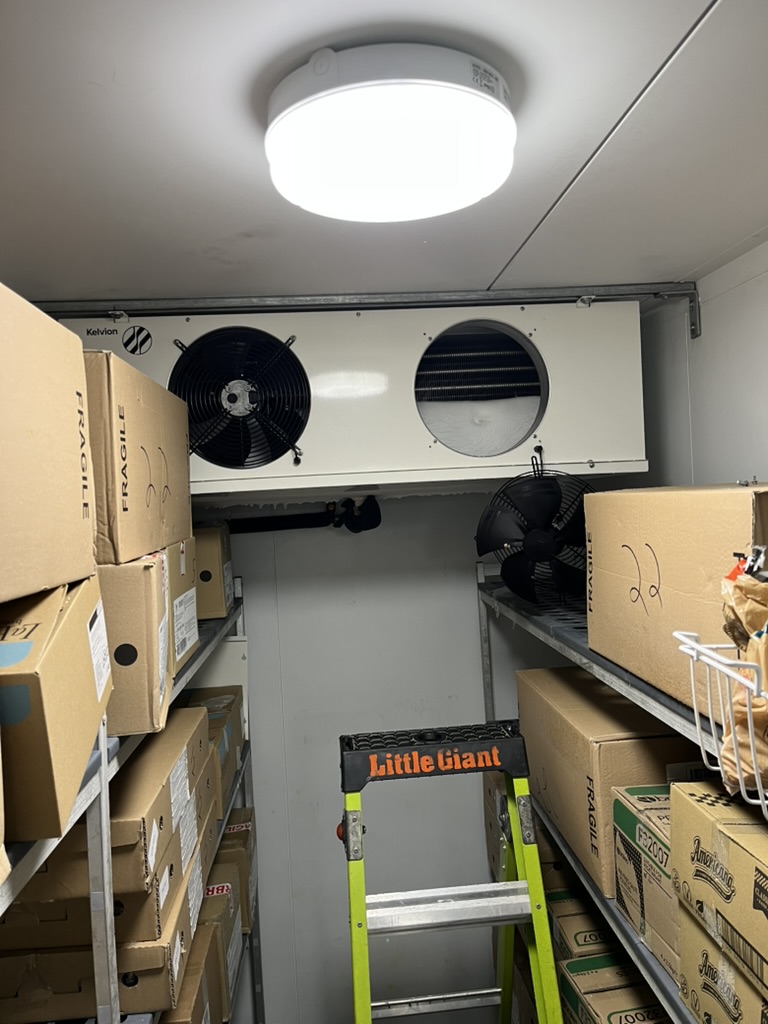
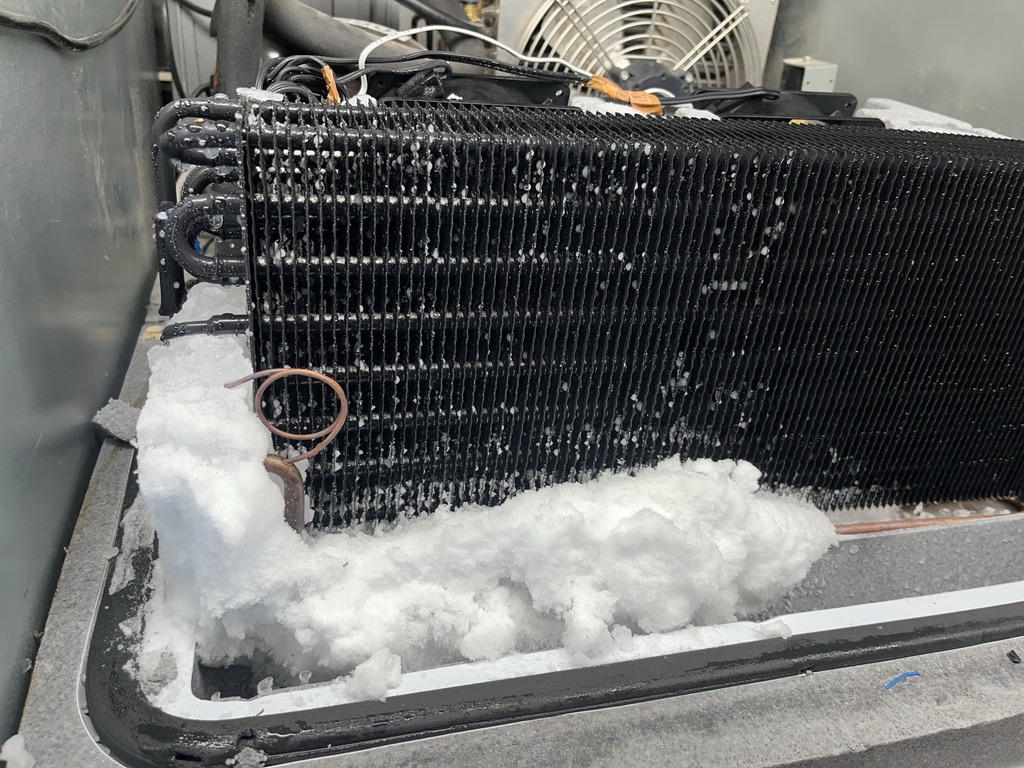
Refrigeration evaporator found partially frozen after removal of an evaporator fan
01

Evaporator coil frozen on one side

The issue
Removing the evaporator fan exposed uneven ice formation across part of the coil. A partially frozen evaporator reduces airflow and cooling capacity and can hide an underlying system fault.
Typical causes
Restricted airflow, a fan or defrost issue, uneven refrigerant distribution, low refrigerant charge or a restriction in the refrigeration circuit.
Remedy
Defrost and inspect the full coil, confirm fan and defrost operation, check airflow and then test pressures, temperatures and superheat to identify and correct the underlying cause.
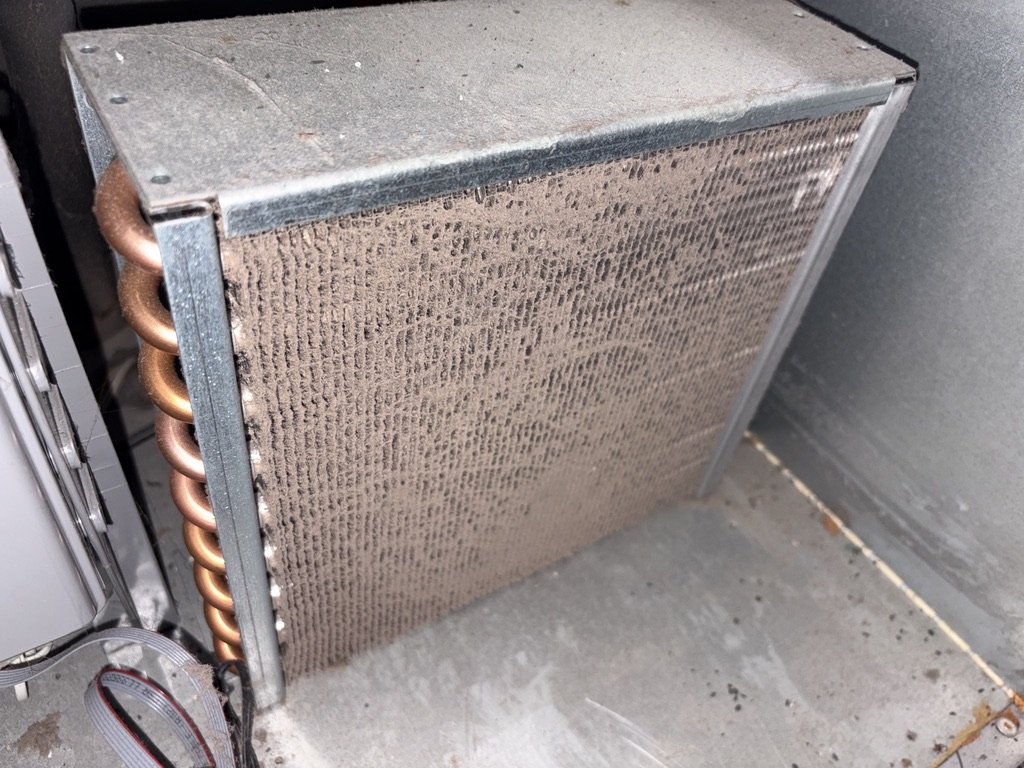
Refrigerated cabinet condenser coil blocked with dust
02

Blocked cabinet condenser

The issue
Dust is blocking the condenser fins, preventing the cabinet from rejecting heat efficiently. This increases operating pressure, energy use and compressor strain.
Typical causes
Airborne grease and dust drawn into a low-level condenser, particularly in busy kitchens and retail environments.
Remedy
Isolate the cabinet, clean the condenser safely without damaging its fins, clear surrounding ventilation and confirm temperatures and operating pressures.
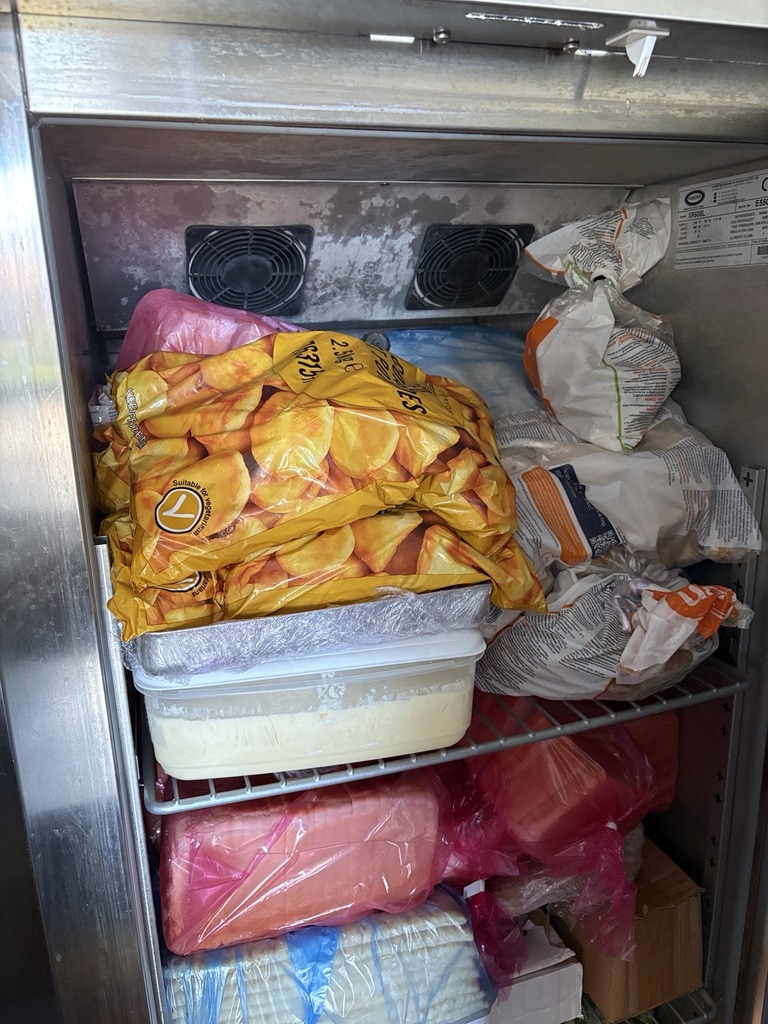
Commercial freezer cabinet overstocked in front of its internal air outlets
03

Overstocking restricting airflow

The issue
Product is packed tightly against the internal fans and air outlets, preventing cold air from circulating evenly around the cabinet.
Typical causes
Cabinets filled beyond their intended capacity or stock placed above load lines and directly in front of return-air paths.
Remedy
Rearrange and reduce stock to restore clear airflow, explain correct loading to staff and verify that product temperatures recover consistently.
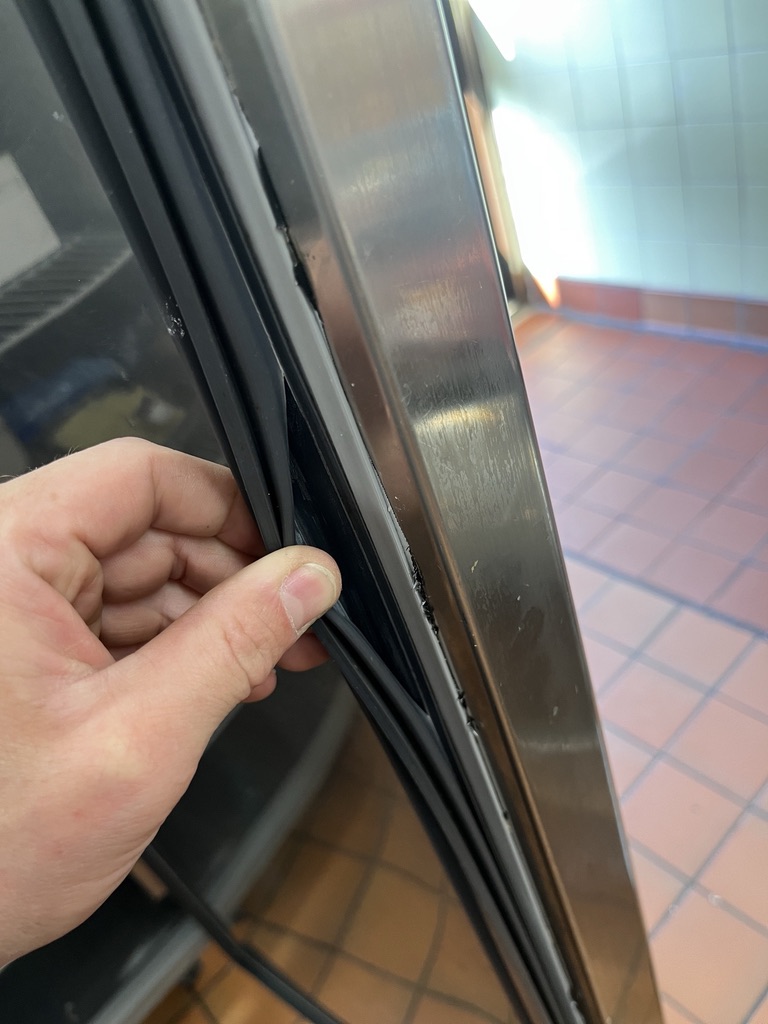
Torn door seal on a commercial refrigerated cabinet
04

Torn cabinet door seal

The issue
A damaged gasket allows warm, moisture-laden air to enter the cabinet. The system runs longer and may develop condensation or excessive ice.
Typical causes
Age, repeated use, trapped debris, aggressive cleaning products or the seal being pulled and damaged during loading.
Remedy
Replace the damaged gasket, clean and inspect the mating surface, check door alignment and confirm an even seal around the full perimeter.
Gradual ice build-up around a freezer cabinet air grille
05

Ice building around the air grille

The issue
Progressive icing is beginning to obstruct the freezer’s air path into the cabinet, reducing circulation and creating uneven temperatures.
Typical causes
Moisture entering through doors or damaged seals, loading that blocks airflow, defrost or drainage faults, or long periods of door opening.
Remedy
Safely defrost the cabinet, clear the grille and drain, inspect door seals and loading, then test the defrost system and operating temperatures.
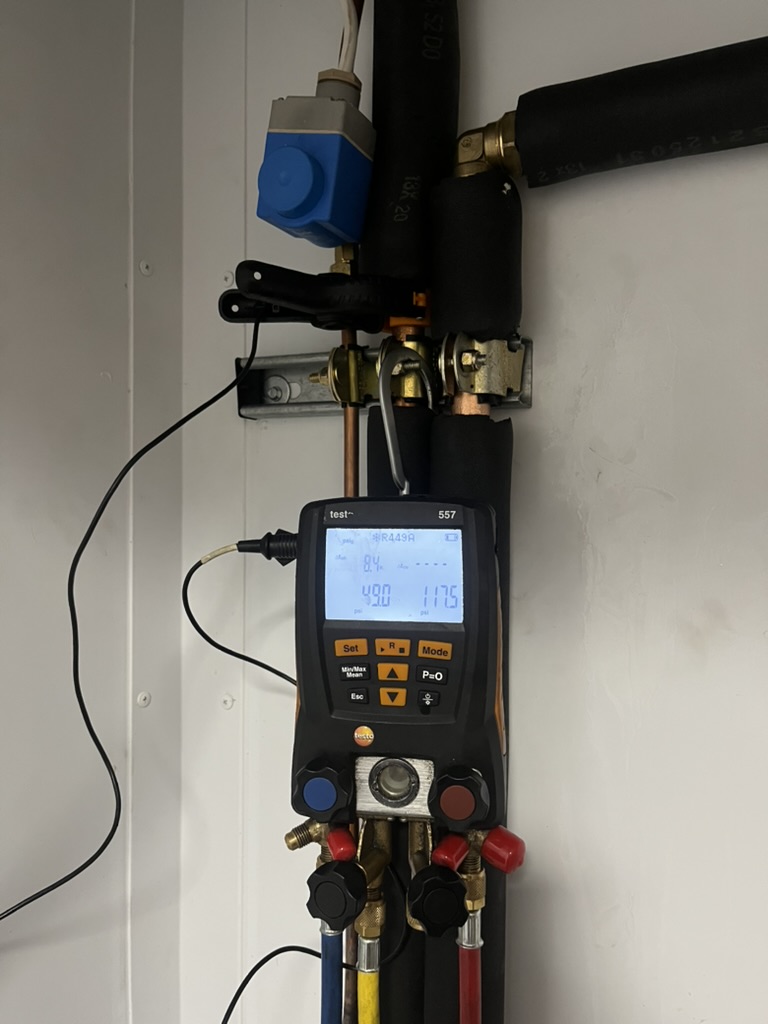
Digital refrigeration manifold and temperature probe being used to measure superheat
06

Measuring superheat

Why we test
Superheat compares refrigerant saturation temperature with the actual suction-line temperature. It helps show whether the evaporator is being fed correctly and whether refrigerant is fully vaporised before returning to the compressor.
How it helps
Accurate pressure and temperature measurements can highlight underfeeding, overfeeding, airflow problems, incorrect charge or restrictions.
The result
Readings are assessed alongside cabinet temperature, airflow, equipment condition and manufacturer data—never used in isolation.
07 · Before, during & after

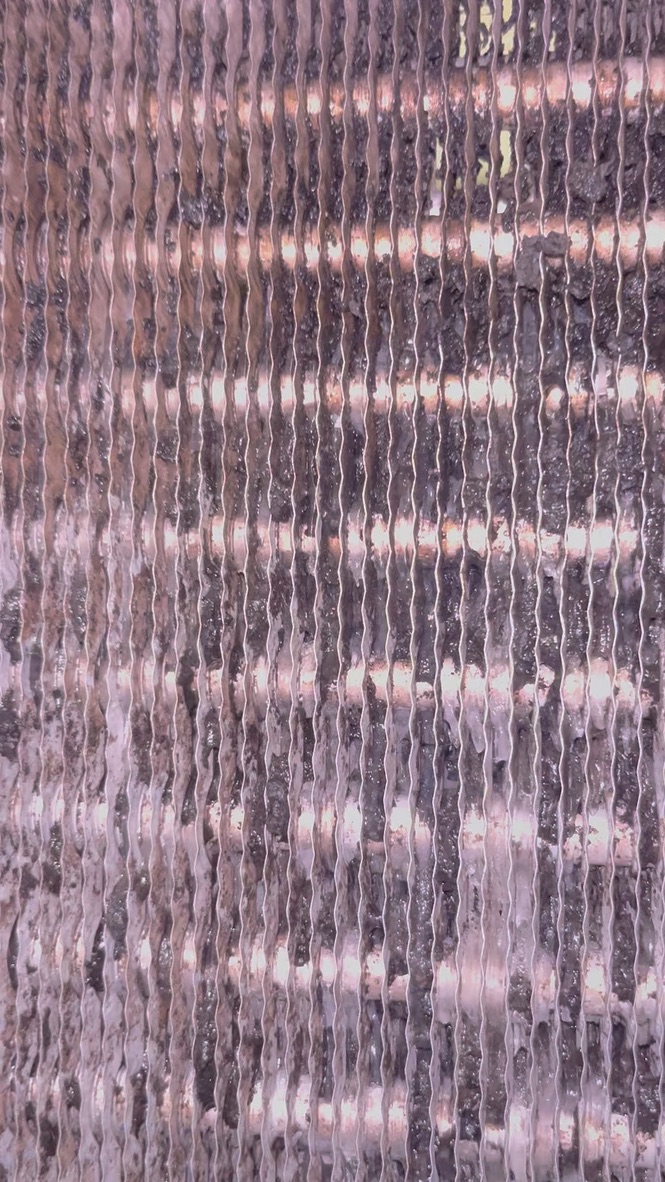
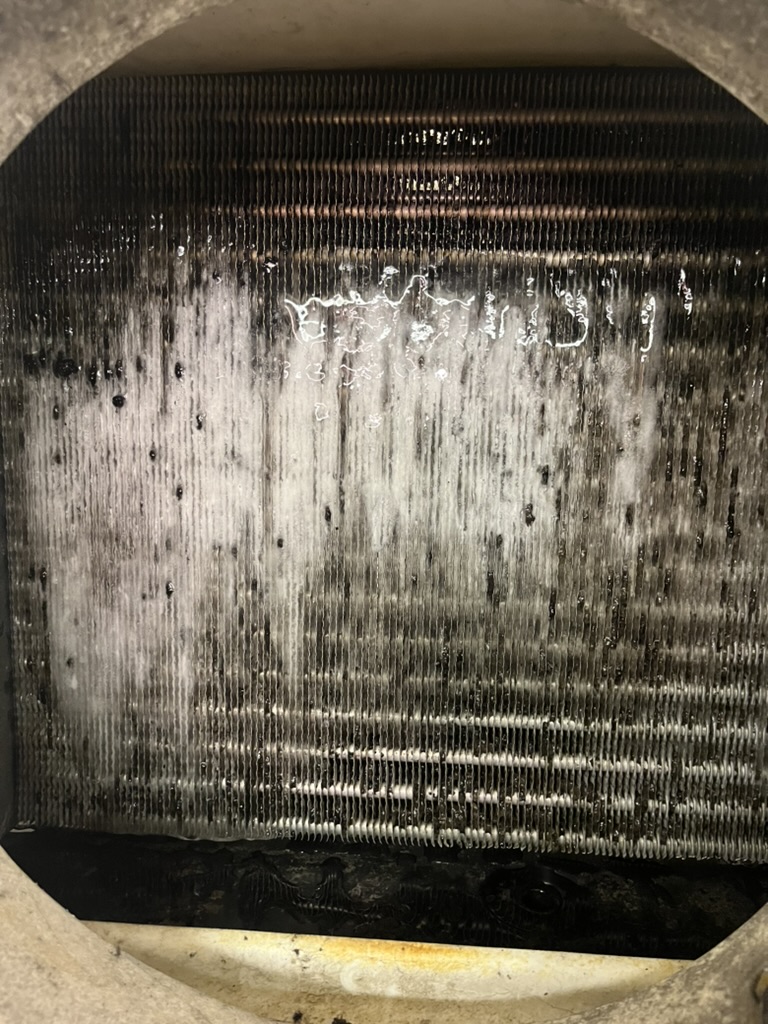
Deep-cleaning a cellar cooler evaporator

The issue: Dirt and contamination had accumulated across the evaporator fins, restricting airflow and insulating the heat-transfer surface.

The process: The cooler was safely isolated and accessed, then the coil was treated and thoroughly cleaned using suitable products and methods while protecting surrounding components.

The result: Removing the contamination restores airflow and heat transfer, helping the cellar cooler reach temperature more efficiently and reducing unnecessary strain on fans and refrigeration components.

Planned refrigeration care

Small findings prevent costly stock losses.

Regular maintenance combines cleaning, visual inspection, temperature checks and refrigeration measurements to find developing faults before they become emergency callouts.

Ventilation Maintenance

Cleaner airflow and dependable extraction.

Effective ventilation depends on the whole air path—from grilles and filters to fans, belts, ductwork and controls. These examples show the cleaning, inspection and testing that help ventilation systems operate safely and as intended.

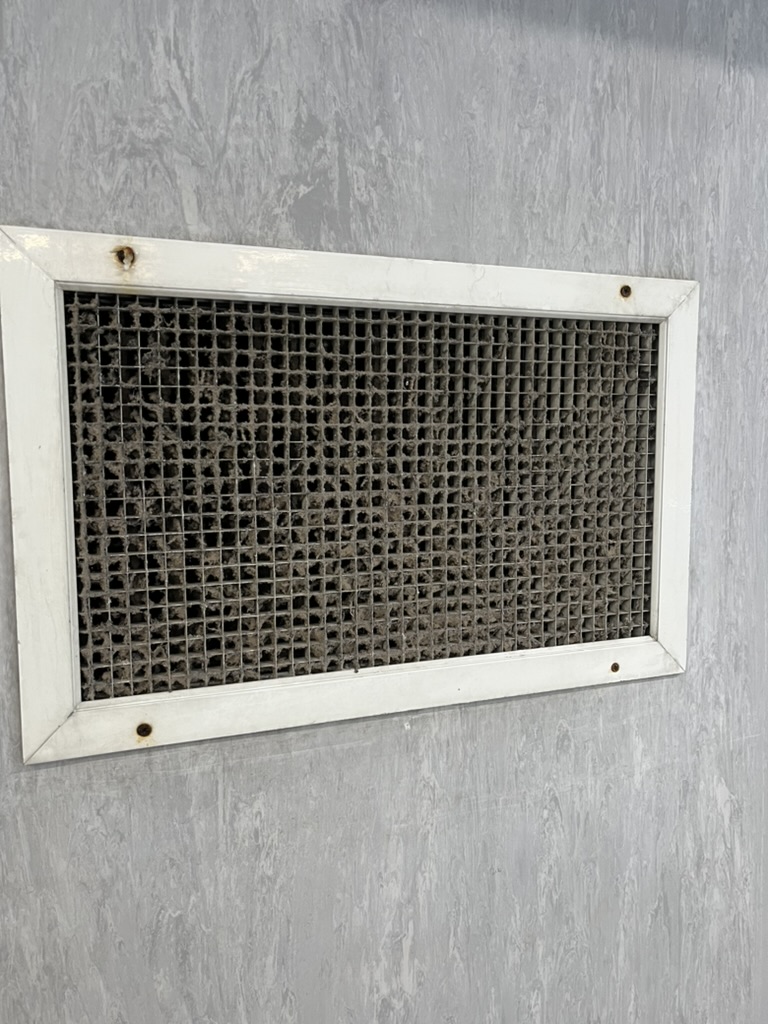
Ventilation grille heavily blocked with dust and debris
01

Heavily blocked ventilation grille

The issue
Dust and debris have substantially obstructed the grille, reducing the volume of air that can pass through it.
Typical causes
Airborne fibres and dust accumulating over a long service interval, particularly where no effective upstream filtration is present.
Remedy
Remove and thoroughly clean the grille, inspect the duct behind it, check associated filters and confirm that airflow has been restored.
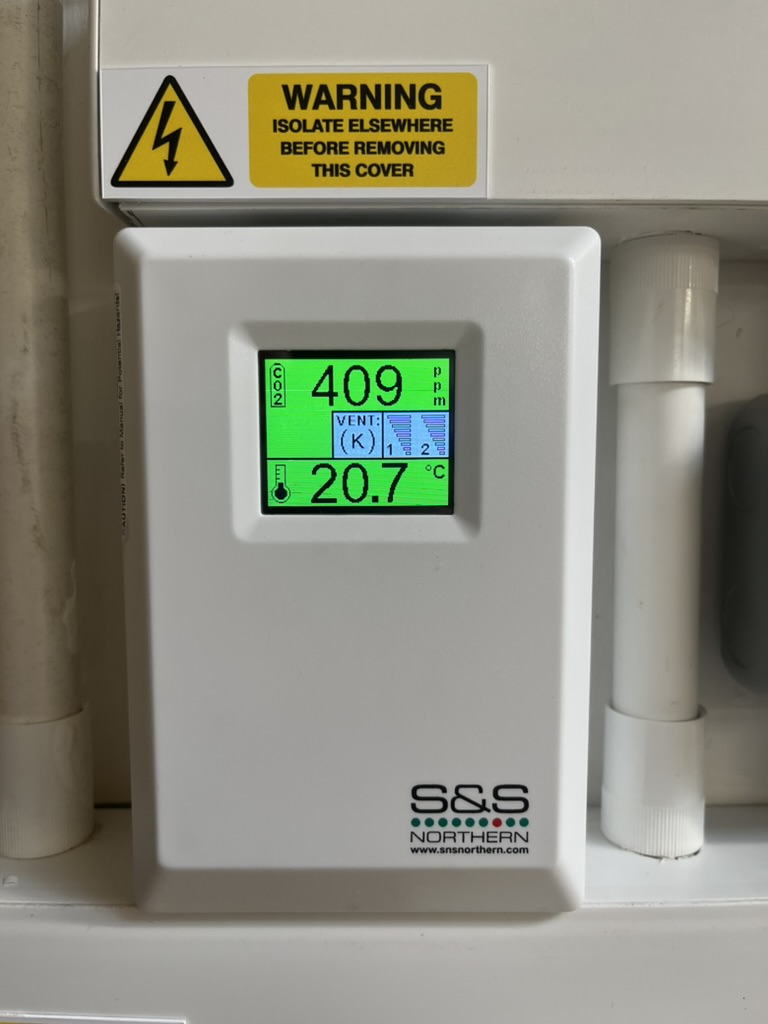
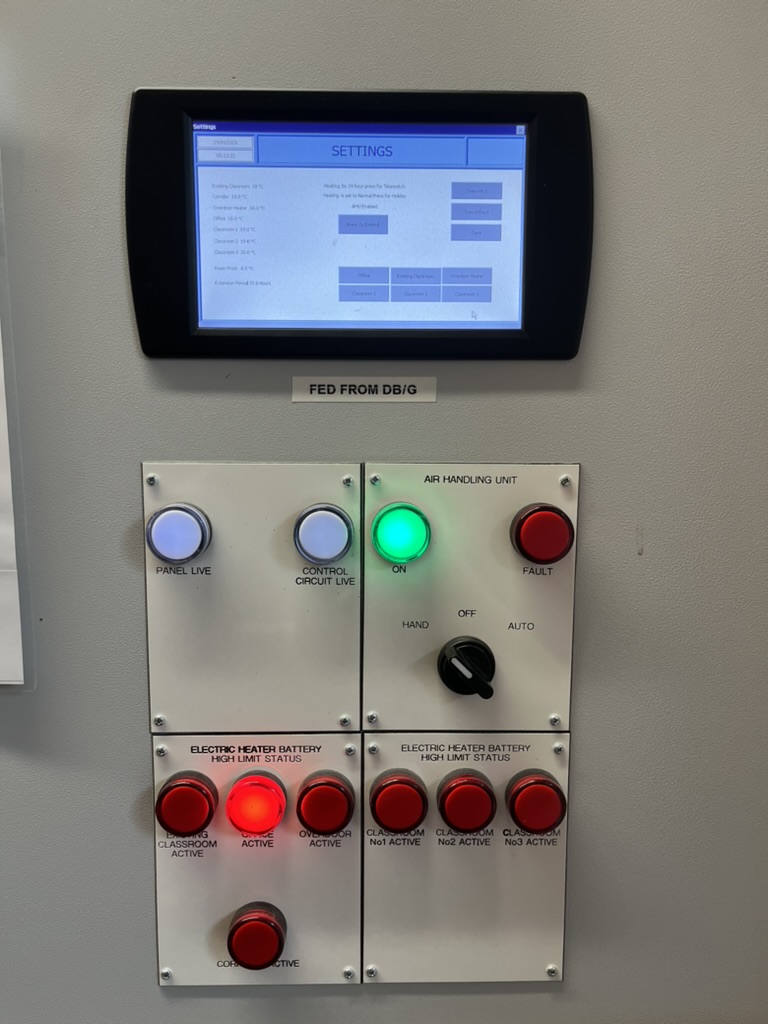
Ventilation controller displaying indoor carbon dioxide and temperature readingsAir handling unit control panel with operating status indicators
02

Air-quality and control checks

What we check
CO₂ and temperature readings help indicate whether a space is receiving appropriate fresh air, while the control panel confirms operating modes, status signals and any active faults.
Why it matters
A fan can appear to be running while sensors, controls, dampers or staged heating components are not operating as intended.
Maintenance action
Review live readings and setpoints, confirm sensor response and operating sequence, inspect alarms and prove the system through its available modes.
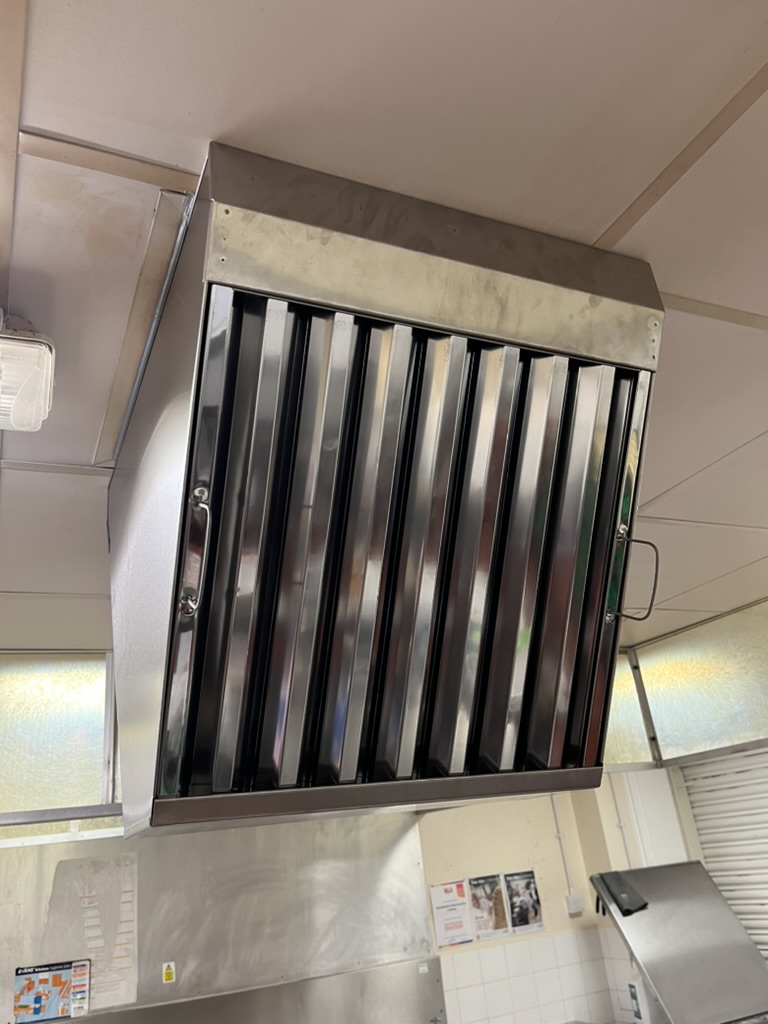
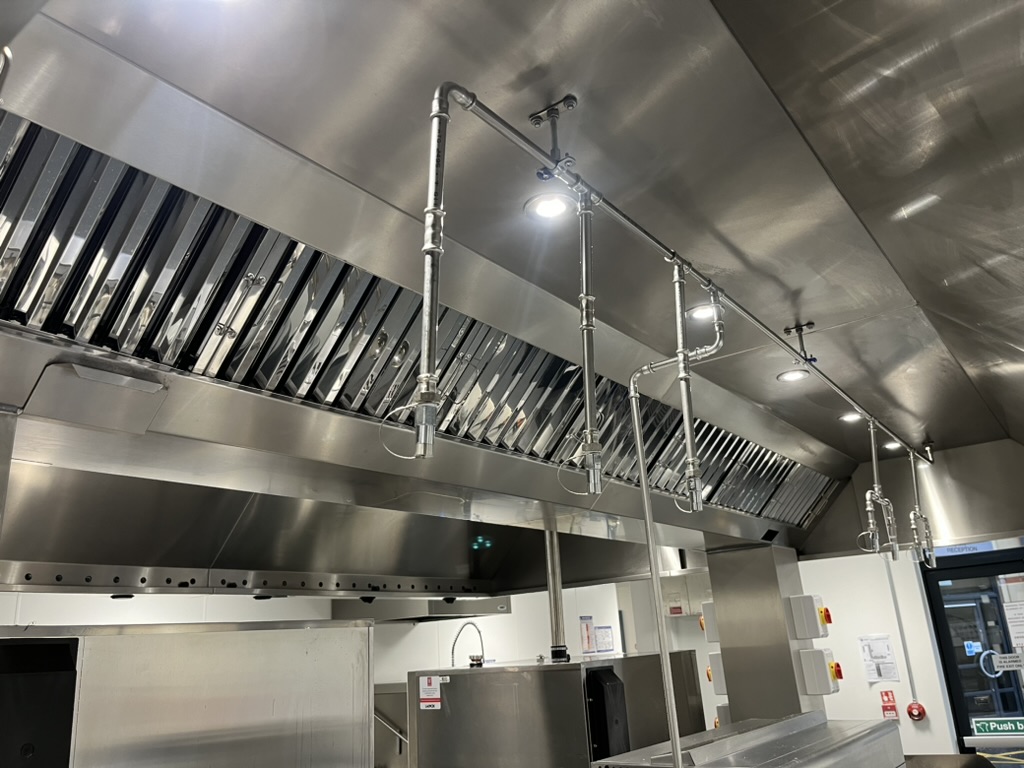
Clean stainless-steel baffle filters fitted to a commercial kitchen extract canopyLarge commercial kitchen extract canopy and baffle-filter system
03

Commercial kitchen extract canopies

What we inspect
Baffle filters, canopy surfaces, lighting, accessible duct connections and overall extraction performance.
Why it matters
Grease loading restricts airflow, creates odours and increases fire risk throughout the extract path.
Maintenance action
Clean or replace filters as appropriate, remove grease from accessible surfaces and arrange specialist deep cleaning where contamination extends into ductwork.
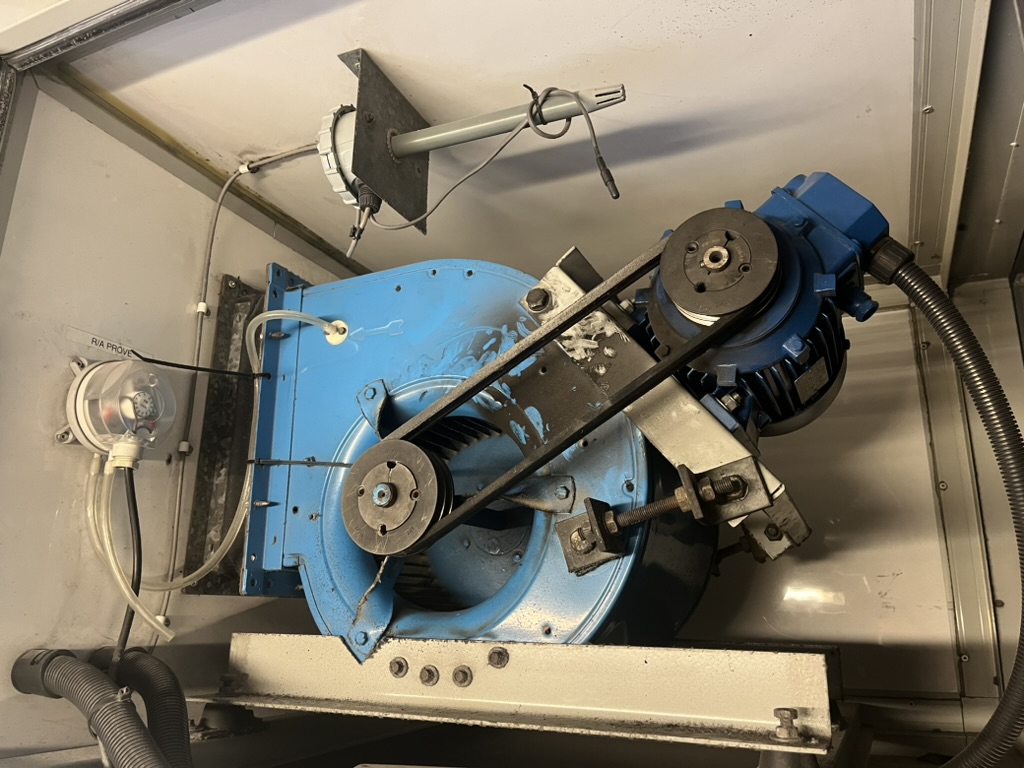
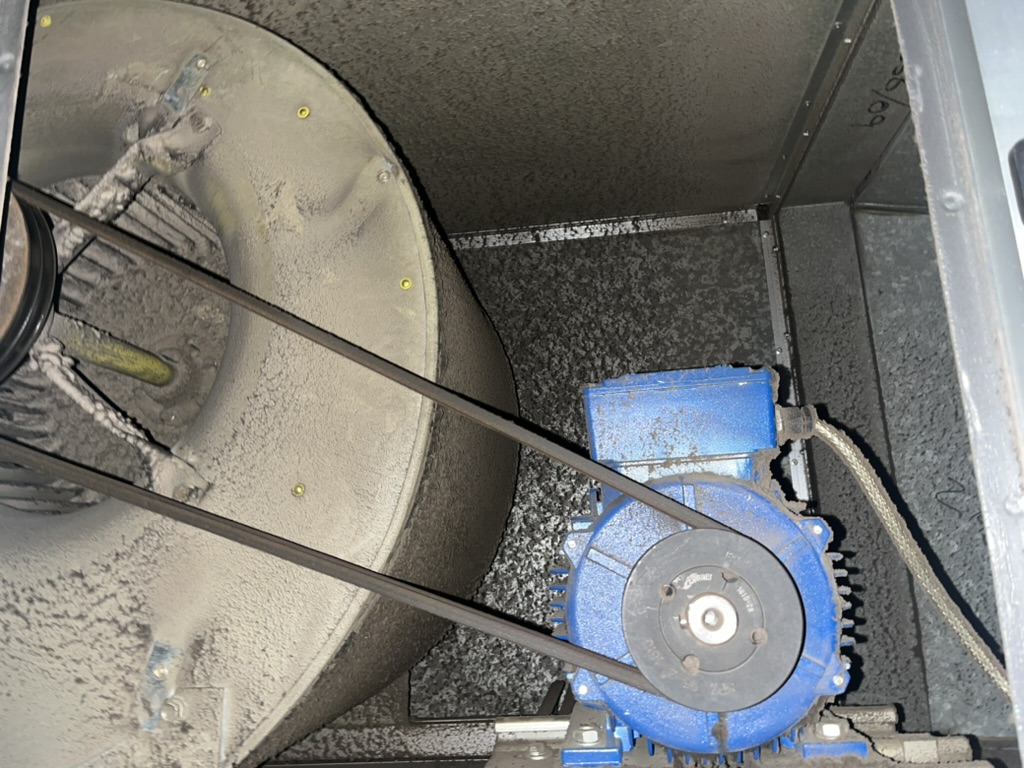
Belt-driven centrifugal ventilation fan opened for inspectionVentilation fan, motor and belt drive covered in heavy dust
04

Fan, motor and belt-drive inspection

The issue
Belts, pulleys, motors and fan impellers wear and collect contamination. Loose or worn belts can slip, while dirty impellers lose aerodynamic efficiency and become unbalanced.
Typical causes
Normal mechanical wear, dust ingress, poor belt alignment and extended intervals between inspections.
Remedy
Safely isolate the fan, clean accessible components, inspect belt condition and tension, check pulleys, bearings and fixings, then verify rotation, vibration and operation.
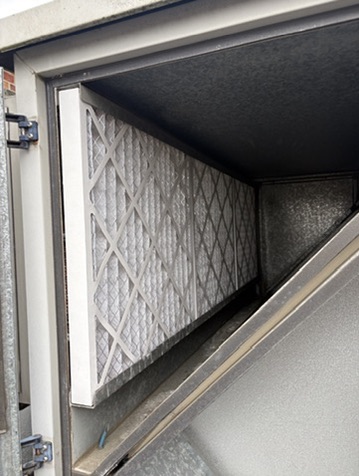
Panel filter correctly fitted inside an air handling unit
05

Air-handling unit filter care

What we check
Filter condition, correct fit, sealing and pressure drop where monitoring is available.
Why it matters
Loaded or poorly fitted filters reduce airflow, increase fan energy and allow contamination to bypass into coils, fans and occupied spaces.
Remedy
Replace filters with the correct specification, clean the housing and ensure each filter is seated properly without bypass gaps.
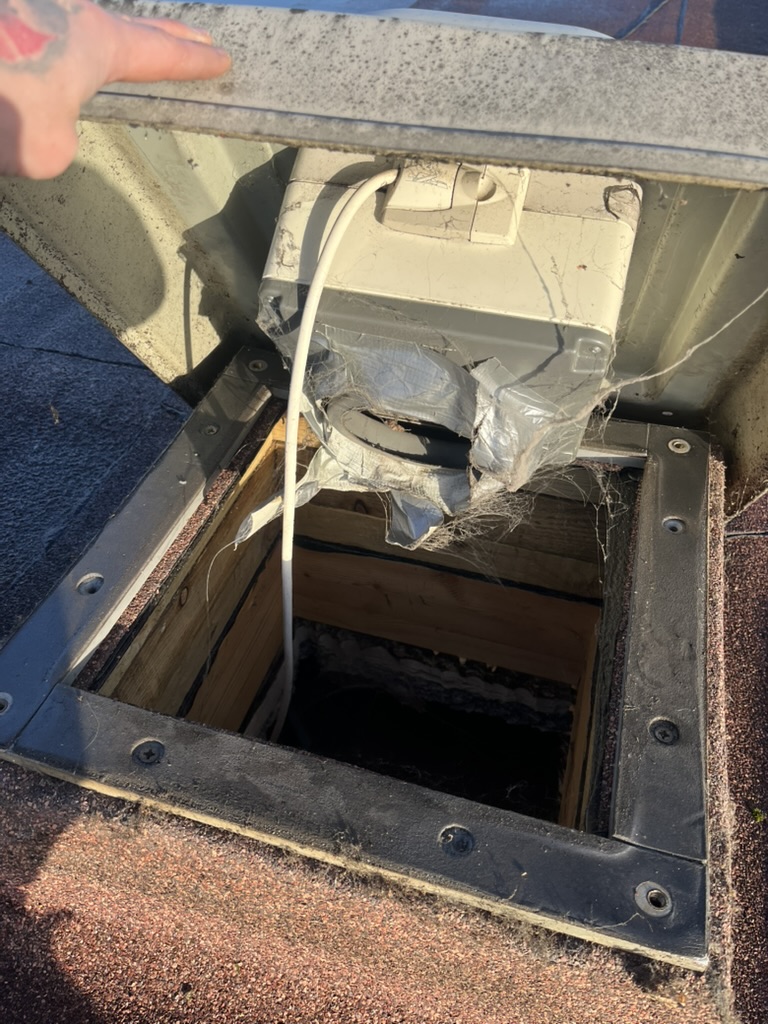
Damaged and poorly sealed flexible ventilation connection beneath a rooftop fan
06

Damaged rooftop fan connection

The issue
The connection beneath the rooftop fan is torn and heavily patched, leaving an unreliable air path and exposing the system to leakage and contamination.
Typical causes
Weathering, vibration, ageing materials and previous temporary repairs.
Remedy
Replace the damaged connection with a suitable properly supported component, seal all joints, inspect the fan and surrounding roof opening and confirm effective airflow.
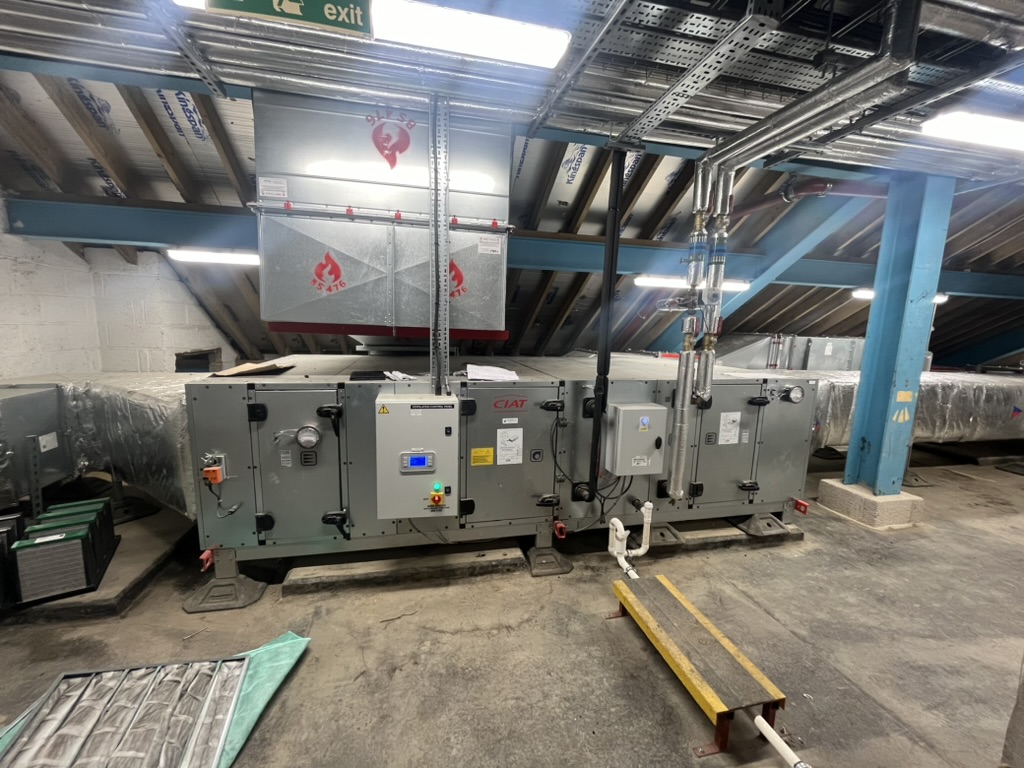
Large commercial air handling unit installed in a plant area
07

Full air-handling unit inspection

A planned AHU visit looks beyond a single filter or fan. Each accessible section is checked so the complete system can operate together effectively.

  • Filters and coils checked for loading, cleanliness and unrestricted airflow
  • Fans, motors and drives inspected for wear, condition, vibration and correct operation
  • Dampers, actuators and sensors checked against the intended control sequence
  • Heating and cooling sections inspected for condition, leaks and correct response
  • Drainage, panels and seals checked to prevent water problems and air bypass

Findings are recorded clearly so immediate defects and future planned remedial work can be prioritised.

Complete-system maintenance

Clean components are only part of the job.

Good ventilation maintenance combines hygiene, mechanical inspection, controls checks and measured performance to keep fresh air and extract systems dependable.

Breakdowns & Repairs

Fault found. Problem solved.

Breakdown work is more than replacing the first part that looks suspicious. These examples show methodical electrical testing, refrigeration diagnostics, safe refrigerant recovery and component repairs across air conditioning, refrigeration, ventilation and catering equipment.

Meter testing & electrical diagnosis

Measured fault finding—not guesswork.

Professional meter testing gives our engineers clear evidence about what is happening inside a circuit. By checking the equipment methodically, we can isolate the actual fault before recommending a repair or replacing a component.

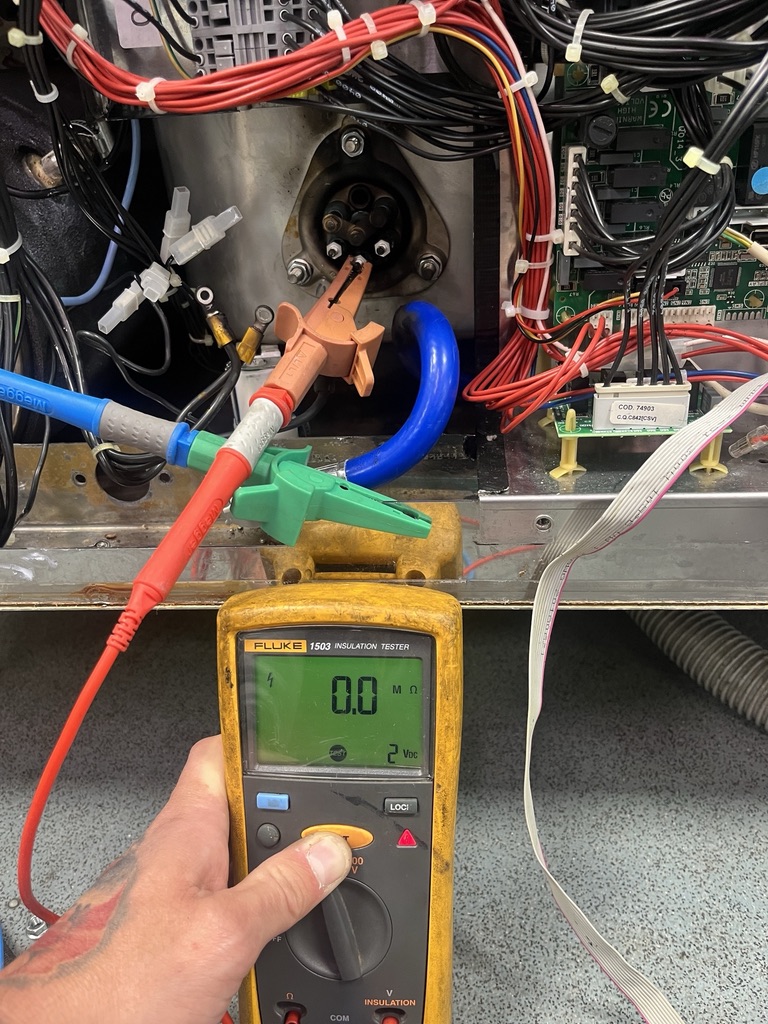
Insulation resistance testing being carried out during electrical fault diagnosis
Insulation-resistance testing
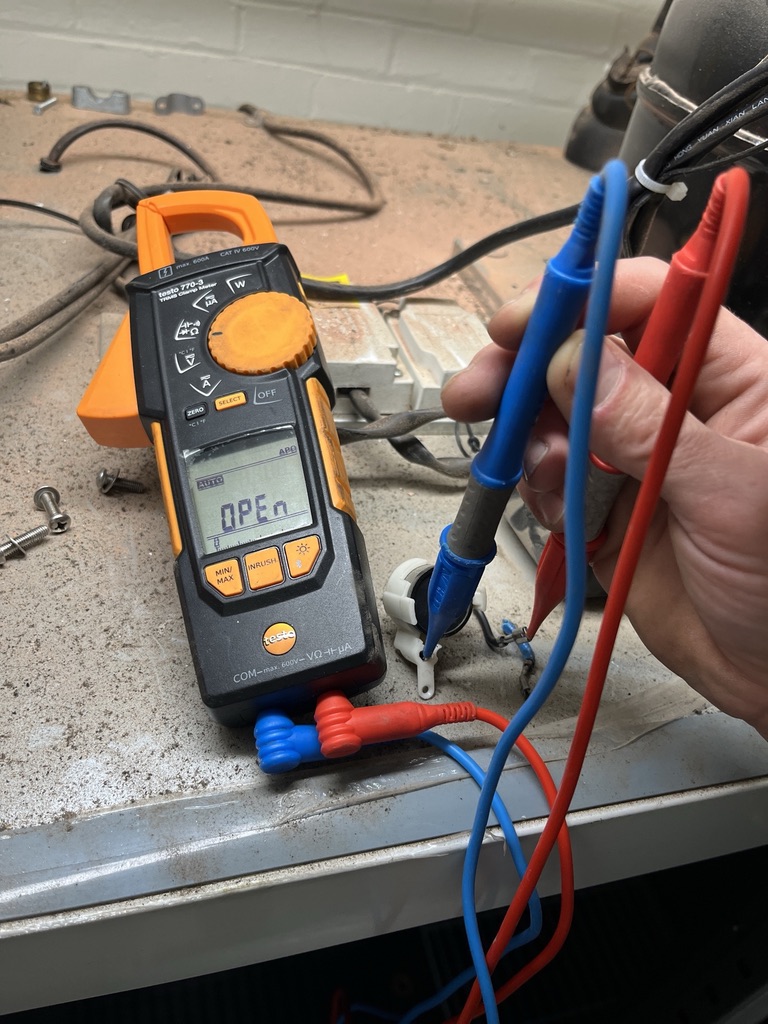
Electrical component being checked with a professional meter
Continuity and resistance testing

How meter testing helps diagnose faults

  • Insulation-resistance tests can identify electrical leakage through damaged insulation in motors, compressors, heaters and wiring
  • Continuity and resistance checks can confirm open circuits, failed components and broken electrical paths
  • Voltage and current measurements show whether components are receiving the correct supply and operating within their expected range
  • Results allow the fault to be narrowed down safely, helping avoid unnecessary parts and wasted repair time

Once the fault has been repaired, the relevant tests are repeated to help prove electrical safety and confirm that the equipment is operating correctly.

State-of-the-art fault diagnosis

Seeing problems that conventional testing can miss.

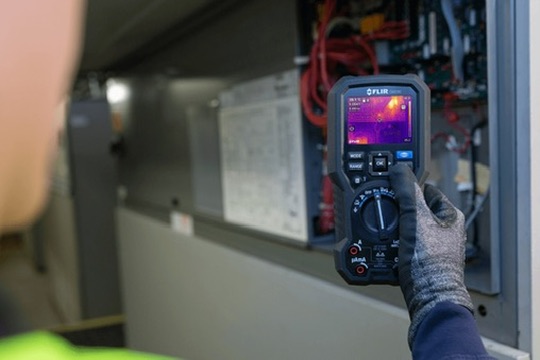
Our professional multi-test meters combine precise electrical measurements with thermal imaging, helping us quickly identify developing faults that may be difficult to find through visual inspection or conventional testing alone.

Engineer using a FLIR thermal-imaging multimeter on commercial equipment
Thermal-imaging multimeter in use
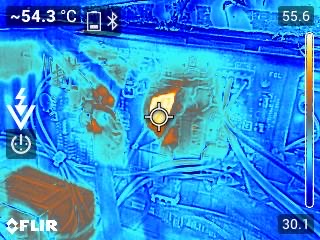
Thermal image revealing abnormal heat inside electrical equipment
Abnormal heat made immediately visible

How thermal imaging improves diagnosis

  • Quickly highlights overheating terminals, loose connections and overloaded components
  • Reveals unusual temperature patterns while equipment is operating under normal load
  • Helps focus further meter testing on the exact area where a fault is developing
  • Can identify hidden issues before they cause complete failure or costly downtime

Thermal images are interpreted alongside voltage, current, resistance and other appropriate tests. Combining advanced technology with experienced engineering gives a faster, more accurate diagnosis and clear evidence for the repair required.

Replacing failed components

The correct replacement, properly matched and tested.

When testing confirms that a component has failed, replacing it is about more than finding a part that looks similar. The replacement must be suitable for the equipment, its electrical supply and the duty it is expected to perform.

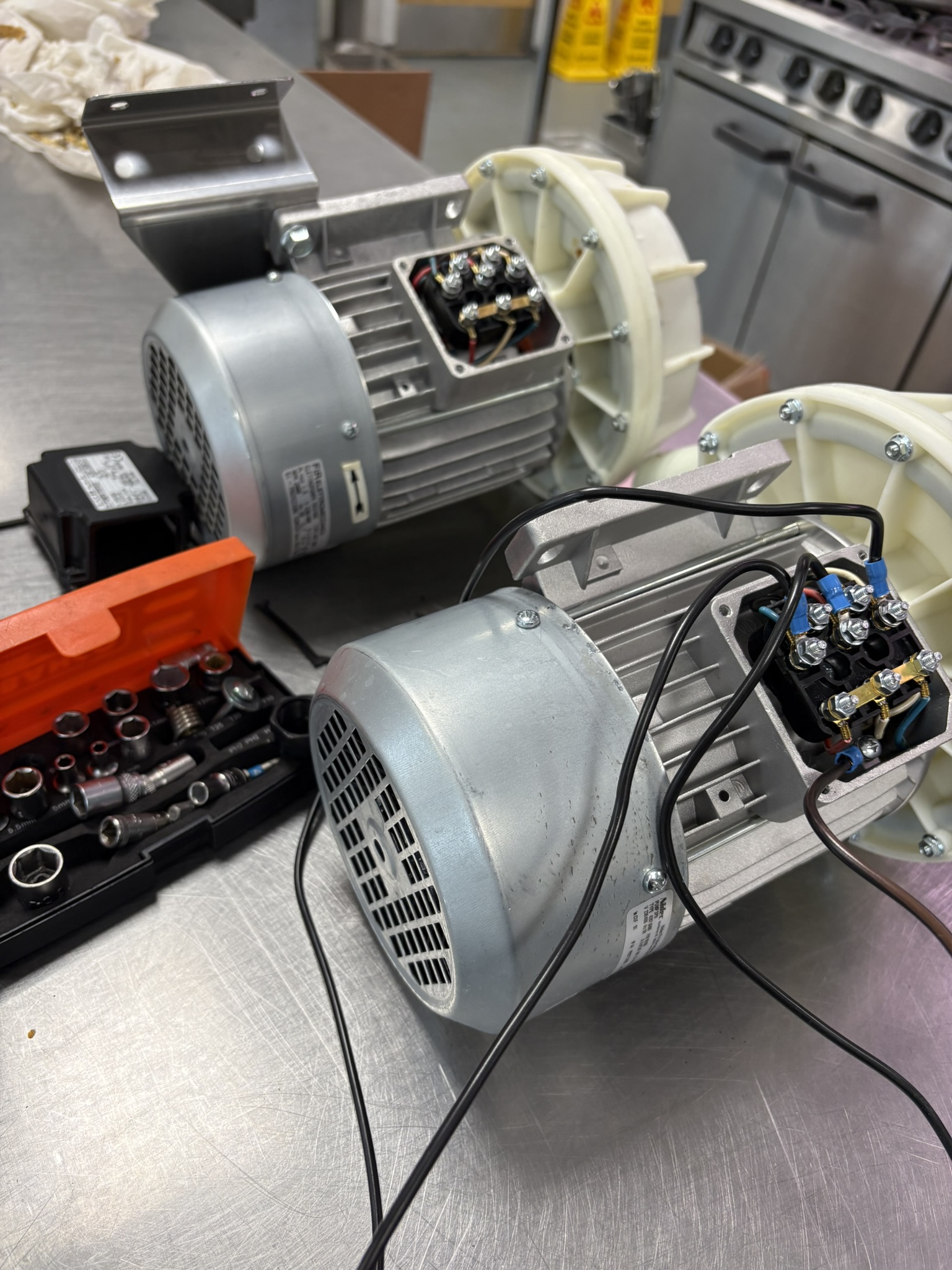
Two grey centrifugal blower motors prepared for component replacement
Replacement centrifugal blower motor

Replacing parts correctly

  • The original failure is diagnosed before a replacement is ordered
  • Voltage, phase, power, speed, rotation, mounting and operating duty are checked
  • Connections and mechanical fittings are installed securely and to the correct specification
  • Current draw, direction of rotation, vibration, airflow and overall performance are checked after installation

This disciplined approach helps ensure the replacement solves the original problem and gives the equipment a dependable return to service.

Refrigerant recovery during repairs

When the refrigeration circuit needs to be opened.

Some repairs cannot be completed safely or legally with refrigerant left inside the circuit. Norton Facilities uses the correct recovery equipment and cylinders to remove and contain the refrigerant before work begins.

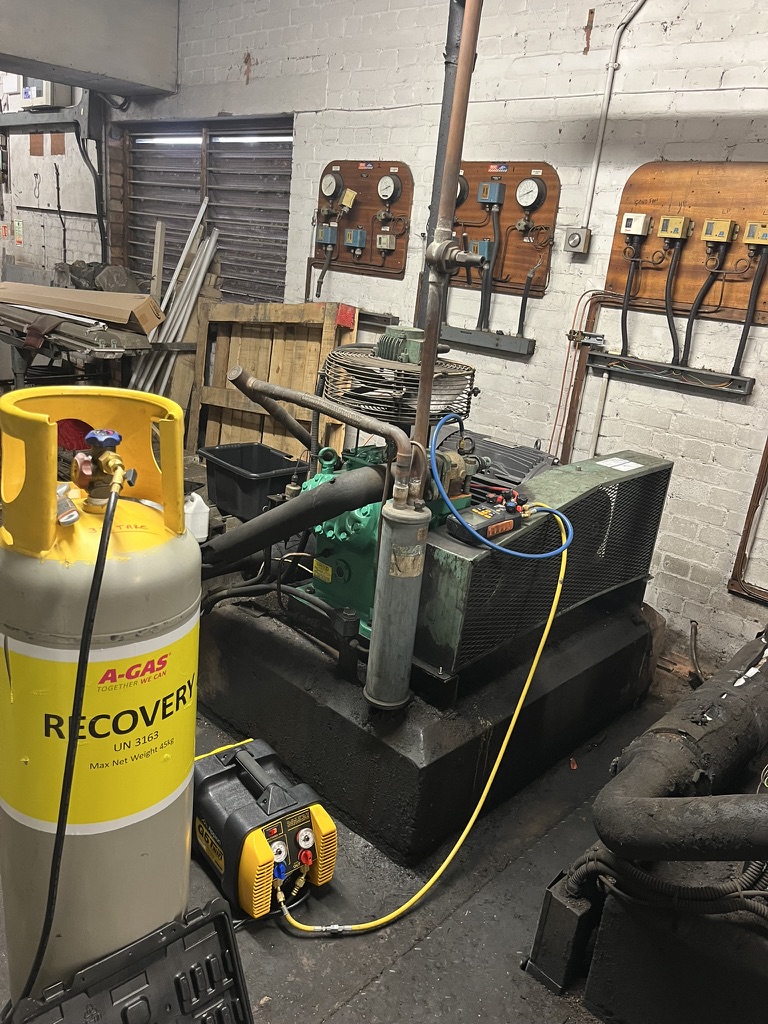
Refrigerant being safely recovered from commercial refrigeration plant
Recovery from commercial refrigeration plant
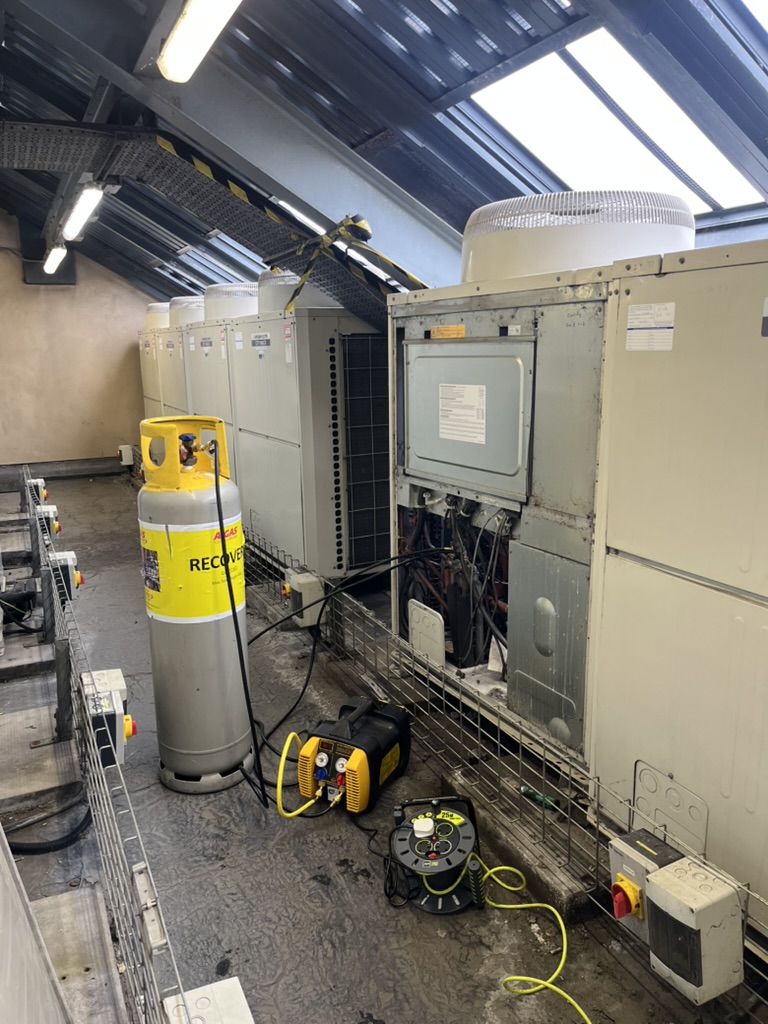
Refrigerant recovery equipment connected to rooftop air conditioning units
Recovery from rooftop air conditioning equipment

When recovery may be required

  • Opening the circuit to replace a failed compressor, valve, coil or other refrigerant component
  • Removing the refrigerant before pressure-testing a system to locate leaks
  • Making repairs to damaged pipework or leaking joints
  • Decommissioning equipment or replacing a complete system

The refrigerant is recovered into a suitable cylinder rather than released. Once repairs are complete, the system can be pressure-tested, evacuated, correctly charged and recommissioned as required.

Our approach

Test first. Repair properly. Prove operation.

Every breakdown is different, but the process stays disciplined: understand the symptoms, test safely, identify the root cause, complete the repair and verify reliable operation before handover.

Planning a similar project?

Talk to Norton Facilities about air conditioning, refrigeration, ventilation, maintenance or breakdown support across Leicester and the Midlands.

Request a Quote